Lions: Power, Pride, and Survival
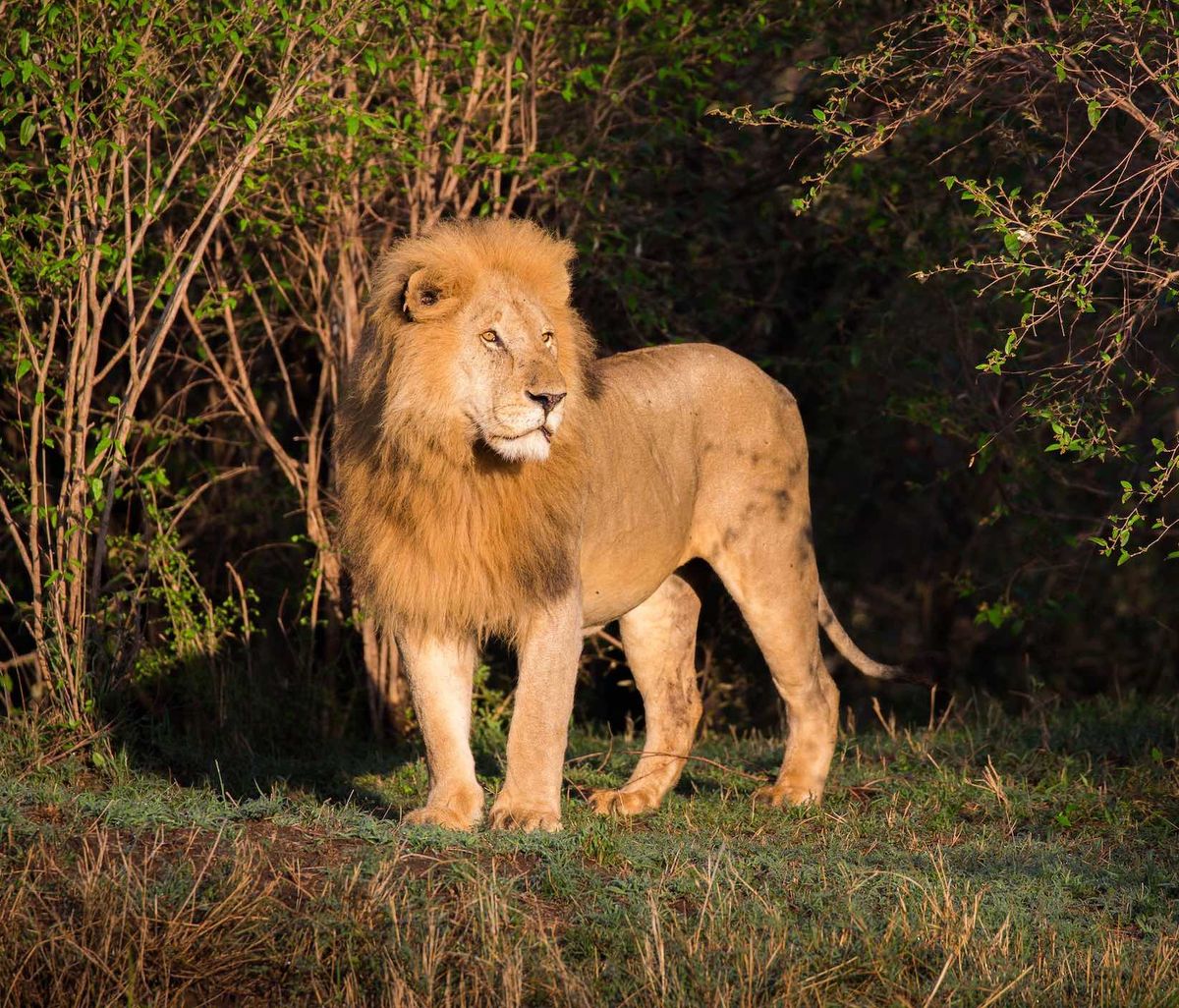
Lions are among the most iconic and powerful animals in the animal kingdom, known for their muscular build, deep roar, and social structure. Unlike most big cats, lions live in groups called prides, which typically consist of several related females, their cubs, and a few males. This cooperative lifestyle allows them to hunt more effectively and protect their territory from rivals. Found mainly in the grasslands and savannas of sub-Saharan Africa, lions thrive in open areas where they can use teamwork and stealth to stalk prey.
Male lions are easily recognized by their impressive manes, which vary in color and size depending on genetics and environmental factors. These manes serve as a display of strength and health, often deterring rivals and attracting mates. While males protect the pride and mark territory, it's usually the females who do most of the hunting. Their preferred prey includes large herbivores such as zebras, wildebeest, and buffalo, although they’ll also scavenge if the opportunity arises.
Despite their reputation as apex predators, lions face numerous threats in the wild. Habitat loss, human-wildlife conflict, and declining prey populations have led to a significant drop in lion numbers over the past few decades. Conservation efforts are now focused on protecting lion habitats, reducing poaching, and fostering coexistence with local communities. Without sustained efforts, the "king of the jungle" could continue to see its reign diminish across Africa.
Subscribe for more insights, stories, and resources for solo founders.